Are you harming your child without realising it?

A UK charity says 41% children are verbally abused by the adults around them. So, where's the line between disciplining and damaging kids? And how can we put it right?
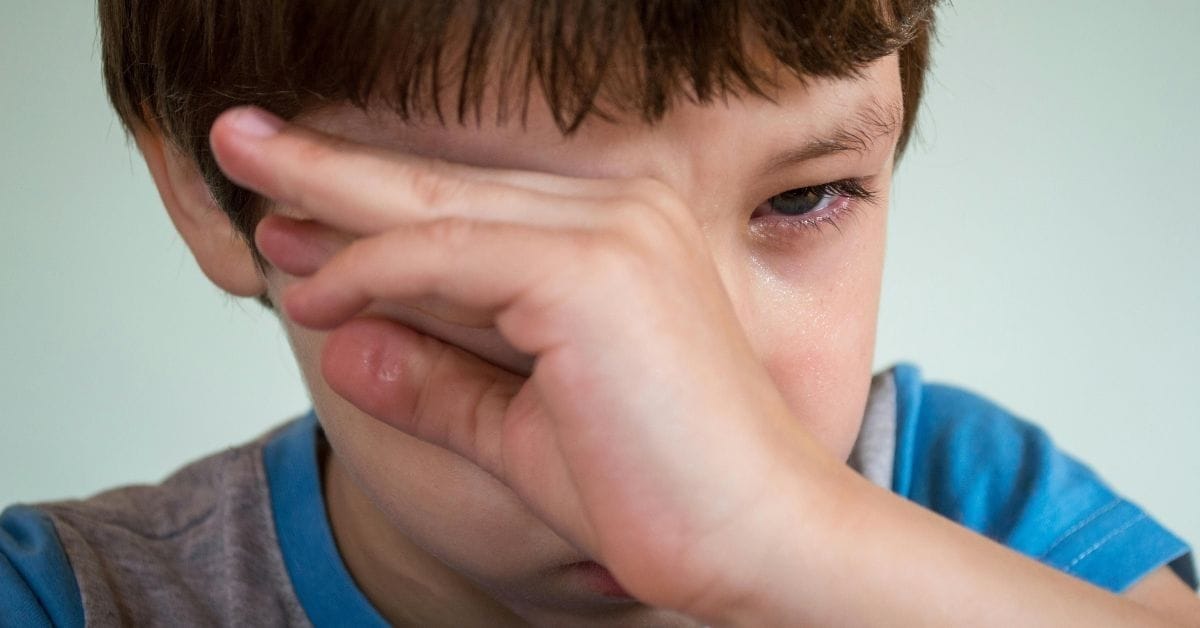
Words Matter, a children’s charity dedicated to stopping the verbal abuse of kids, was at the House of Commons earlier this month. Backed by MP Sharon Hodgson, a group of experts shared their research on the damage speaking harshly to children can cause and, oh God, their findings are enough to give even the gentlest of parents a hearty dollop of mea culpa.
They found that, 2 in 5 children experience harmful verbal abuse from an adult they know- and for 10% of those kids it’s a daily occurrence.
These actions can result in a child being depressed, suffering PTSD or even developing suicidal behaviours. And, the impact of verbally abusing a child can physically alter their brain causing life-long consequences for their mental health.
But surely there isn’t a parent alive who hasn’t, after several calm attempts to correct a child’s behaviour, resorted to raising their voice? What's the difference between healthily expressing your frustration at a child’s misbehaviour or being abusive? Our guide below has the answers.
What is child verbal abuse?
According to The WHO’s definition child emotional abuse is the, action of caregivers, parents or adults that result in patterns of belittling, blaming, threatening, frightening, discriminating against or ridiculing a young person. This also includes other non-physical acts that are hostile or involve rejection of a minor.
“But what if I shout at my child regularly?
Interestingly, according to Words Matter, it’s not the volume of your shouting that constitutes abuse but the type of words you use. They surveyed over 1000 young people and found it was phrases such as; ‘You’re useless’, ‘You’re stupid’, ‘You can’t do anything right’, ‘You’re worthless’ and ‘I’m ashamed of you’ that caused the most distress when said to children.
Dr Alice Graham, an expert on how early adversity effects brain development says,
“I see how children form narratives about themselves and the world based on how they are spoken to and spoken about.”
Using language that diminishes a child’s self-esteem is the key indicator of verbal aggression and while we often focus on shouting as the mode of delivery Words Matter founder, Jessica Bony, warns that verbal abuse spoken in quiet, subtle and insidious tones can be just as damaging.
What are the signs that a child is being abused verbally?
A child who displays a lack of self-worth and confidence, might appear anxious or withdrawn and has difficulty controlling their emotions could be signals that a child is being emotionally abused.
Other indicators may be if child has trouble concentrating and finds it hard to make, and sustain, relationships with others. Along with behaving in a way that doesn’t seem appropriate for their age and feeling physical effects such as unexplained aches and pains and muscle tension.
What can I do if I suspect a child is being verbally abused?
If you fear a child is in immediate danger then contact the police on 999.
The NSPCC offers 24/7 advice for adults concerned about a child on 0808 800 5000 or you can email them, help@nspcc.org.uk
Organisations such as Childline on 0800 1111 and Shout- text 85258 with “SHOUT”, offer round the clock, confidential, and free advice for children and young people who are feeling hurt or distressed by an adult’s behaviour.
How can I make sure that my behaviour isn’t verbally abusive to a child?
As caregivers there will always be instances when shouting at a child is necessary for their safety, preventing them running into the road or alerting them to danger are responsible and important tools, where raising your voice is entirely justified.
Individual family dynamics such as cultural and language differences must also be acknowledged when considering if an adult’s behaviour is abusive to a child. The exuberant and direct style of speaking amongst many Latino countries, as an example, mustn’t be confused with harmful communication. Experts at Words Matter are clear to stress, it’s the intention of words that count but the mode of delivery.
However, if you’re having difficulty regulating yourself while being triggered by a child’s behaviour, Dr Fiona Pienaar, a child and adolescent mental health specialist, advises that you should;
STOP - stopping gives us a moment to acknowledge any anger and stress that might be build. “We often regret the words we say under stress, and they can have a lasting impact on the child.”
BREATHE- “Slowing our breathing calms us down, physically, mentally and emotionally. We’re able to think more clearly when we pause to breathe.”
She suggests using a breathing technique, such as the 7/11, to help us regain control of our emotions.
THINK- “Take a moment to think about the impact your words might have and what you want to achieve by saying them”.
Mentally removing yourself from the emotional aspect of the event, allows you to consider your desired response more carefully.
SPEAK- Now that you’ve taken the time to regulate yourself, talking to resolve the situation can begin.
“Respect the child and listen to them – acknowledge how they feel and talk it through. Focus on addressing the behaviour, not the person – there’s a big difference between asking a child to pick up the clothes they’ve left on the floor and telling them they’re lazy.”
Child Clinical Psychologist Professor Sophie Havighurst also shares,
“What we say to our children, whether good or bad, affects them. If you choose words that communicate empathy and show your care, even when their behaviour might be difficult, it will provide them with the foundations for developing as compassionate, caring human beings”.
If you do feel that you've been abusive to children in your care, Respect offers non-judgemental advice and support. You can call them free on 0808 802 4040, Monday to Friday, from 9am-5pm, or email them at info@respectphoneline.org.uk -response time is usually within two days.
Lastly, if you do regret how you've spoken to a child, what can you do to repair the damage caused?
Dr Pienaar offers some hope,
“It’s never too late to put things right. When you recognise that you’ve said something that could be hurtful to a child, take time to have a chat with them and say sorry and let them know you mean it. Encourage them to talk about how they’re feeling, and make a fresh start together.”
The evidence is clear that communicating fairly and respectfully with our children shouldn’t be regarded as just another lofty expectation for already over-stretched parents but, instead, helps lay the foundation for our children’s wellbeing and mental health.
While none of us can expect to get through the parenting gauntlet with a perfect scoreboard, creating a loving and patient environment for our children to grow - even when it’s the 5th time you’ve asked them to put their shoes on- is ultimately proven to give your child the best chance to thrive.
